Source camo polyester log book cover for Travel, Hunting, and Tactics
Find and compare 30 camo polyester log book cover options for travel, hunting, and tactical use. These durable, waterproof sleeves feature modern designs, custom logos, and various sizes to meet your specific sourcing needs.
Key considerations
Products List
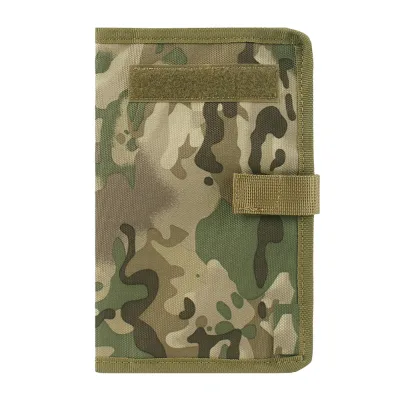
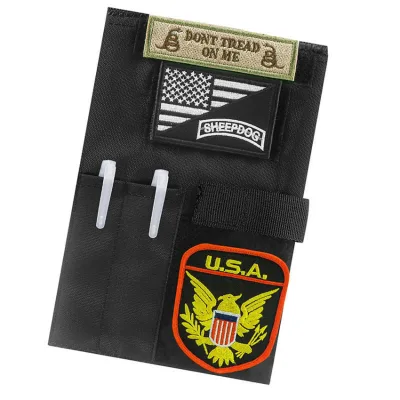
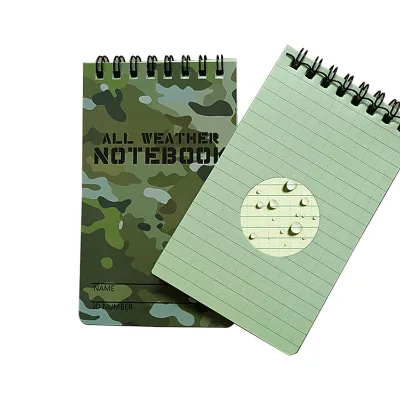
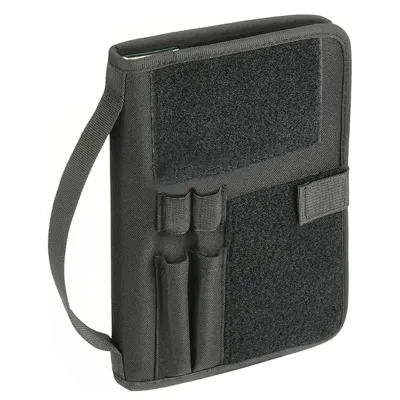








Comprehensive Sourcing Guide
Camo Polyester Log Book Cover Sourcing Guide
Sourcing camouflage-patterned polyester log book covers requires a careful balance between aesthetic appeal, functional durability, and supply chain transparency. These items are frequently marketed for tactical, hunting, or travel applications, where ruggedness and discretion are paramount. Buyers must navigate a market segment that often blends general-purpose notebook accessories with specialized gear, ensuring that the final product meets specific operational needs rather than serving as a generic stationery item. The following guide outlines the critical verification steps, technical considerations, and commercial terms necessary for successful procurement.
Product Scope and Observed Listing Signals
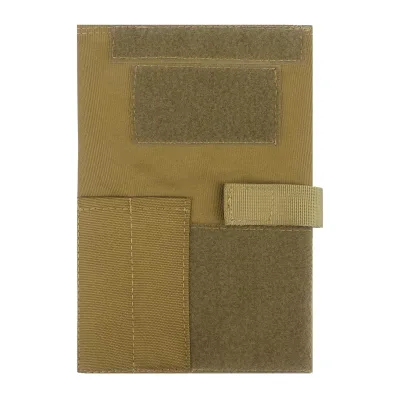
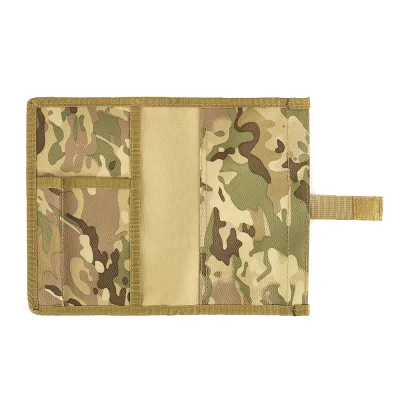
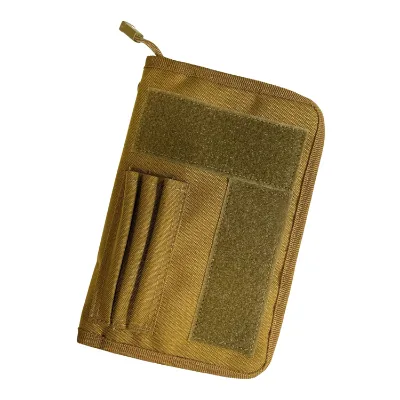
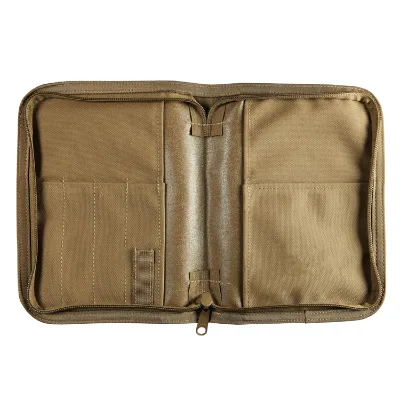
The observed market signals indicate a diverse range of product attributes, with model numbers such as H24231, HT24791, and HT24792 appearing alongside tactical designations like "fancy bag-21851 Tactical Notebook Holder." This variability suggests that suppliers may list similar physical items under different categorizations, ranging from standard passport holders to specialized tactical gear. Buyers should recognize that a single listing might contain conflicting attributes, such as labeling a product as both a "Hunting Decoy" and a "Notebook Cover," which necessitates rigorous cross-referencing of the actual product images and detailed specifications before placing an order.
Material composition is a primary differentiator in this category, with observed listings citing Polyester, Canvas, and Fabric as the primary construction materials. While the core keyword specifies polyester, the presence of canvas and fabric options indicates that buyers must explicitly confirm the material grade to ensure the desired water resistance and durability. Additionally, closure types vary significantly, with some items listed as having "No closure" while others imply structured containment. This discrepancy highlights the importance of verifying the internal organization and security features, as an open-style cover may not provide adequate protection for sensitive documents or equipment in field conditions.
Technical Specifications to Verify
Dimensional accuracy is critical for log book covers, as the internal capacity must align with standard or custom notebook sizes. Observed specifications include a size of 4 Inch (10.16cm) and another listing for 8"L x 5.5"W, indicating that buyers must match the cover dimensions precisely to their intended use case. Thickness is another key technical parameter, with some items specified at 30MM, which may refer to the padding or the overall bulk of the packaged unit rather than the cover itself. Buyers should request clear diagrams or physical samples to confirm that the internal pocket dimensions accommodate the specific thickness of the log books or devices they intend to store.
The aesthetic and functional details, such as color and logo application, require precise definition to meet brand or operational standards. Observed colors include Black and Tan, with customization options available for specific color requirements or photo-matched designs. Logo application methods like Silk Screen Printing are noted, but buyers should verify the durability of the print against abrasion and environmental exposure, especially for tactical or outdoor use. Furthermore, the folded state of the product and its single package size (e.g., 35X23X3 cm) impact storage and shipping logistics, so verifying the packed dimensions is essential for accurate freight cost calculations and warehouse planning.
Compliance and Safety Documentation
While specific safety certifications are not universally listed for all items in this category, some suppliers reference ISO9001 and BSCI certifications, which indicate adherence to quality management and social compliance standards. Buyers should verify the current validity of these certificates and request copies to ensure that the manufacturing facility operates under recognized ethical and quality frameworks. This is particularly important for large-scale orders where supply chain transparency and labor practices are subject to corporate social responsibility audits.
Waterproofing is a claimed attribute for some products, but buyers must clarify the extent of this protection. Is the material fully waterproof, water-resistant, or merely treated to repel light moisture? Without specific test data or industry-standard ratings (such as IP ratings), buyers should treat "Waterproof" as a marketing claim and request material specifications or test reports to confirm performance under actual use conditions. Additionally, any claims regarding the durability or "High Quality" construction should be substantiated by material thickness, stitch density, or hardware quality assessments to mitigate the risk of premature failure in demanding environments.
Cost Drivers and Commercial Terms
Pricing in this segment exhibits a wide range, observed between $0.02 and $80 USD, driven by factors such as material quality, customization complexity, and order volume. The minimum order quantity (MOQ) varies significantly, from as low as 2 pieces to 60,000 pieces, allowing for both small-scale prototyping and large-volume production runs. Buyers must align their order size with the supplier’s MOQ structure to avoid excessive per-unit costs or production delays, and they should negotiate tiered pricing models that reward increased volume commitments.
Payment terms and packaging options also influence the total cost of ownership. Observed payment structures include a 30% deposit with a 70% balance, which is a common arrangement for custom manufacturing. Buyers should ensure that the balance payment is contingent upon satisfactory pre-shipment inspections to mitigate financial risk. Additionally, packaging customization is available, with options ranging from simple polybags to branded cardboard boxes. While customized packaging may increase the unit cost, it can enhance brand presentation and reduce secondary packaging needs, so buyers should evaluate the trade-off between upfront costs and downstream logistical efficiencies.
Supplier Qualification and Quality Control
Supplier location is a key factor in logistics and communication, with observed origins in Zhejiang and Guangdong, China, which are major manufacturing hubs for textiles and accessories. Buyers should verify the supplier’s production capacity and lead times, as these can vary based on order complexity and seasonal demand. Establishing clear communication channels and confirming the supplier’s ability to handle custom orders, including logo printing and color matching, is essential for ensuring that the final product meets specific design requirements.
Quality control measures must be explicitly defined in the purchase agreement, as observed attributes like "High Quality" are subjective without standardized metrics. Buyers should implement pre-production sample approvals and pre-shipment inspections to verify material consistency, stitching integrity, and dimensional accuracy. Given the variability in product listings, it is crucial to ensure that the supplier provides a detailed product specification sheet that matches the physical sample, covering all aspects from material composition to packaging dimensions. This documentation serves as the baseline for quality acceptance and helps prevent disputes over product conformity.
Long-Term Procurement Checks
Sustainability and material lifecycle considerations are increasingly important in procurement decisions. Buyers should inquire about the source of the polyester or canvas materials, including whether recycled content is used and how the materials are disposed of at the end of their life. Understanding the environmental impact of the supply chain can help align procurement strategies with corporate sustainability goals and regulatory requirements in target markets. Additionally, verifying the supplier’s commitment to ethical labor practices through ongoing audits ensures that the supply chain remains compliant with evolving social responsibility standards.
Continuous monitoring of market trends and supplier performance is necessary to maintain a resilient supply chain. Buyers should regularly review supplier reliability, including on-time delivery rates and defect frequencies, to identify potential risks early. As product designs and materials evolve, staying informed about new technologies in fabric treatment and customization methods can provide competitive advantages. Establishing a long-term partnership with a qualified supplier, rather than relying on spot purchases, can lead to better pricing, improved quality consistency, and greater flexibility in meeting changing business needs.
FAQs
What material is used for the camo polyester log book cover?
The product is made from polyester material, ensuring durability for tactical and travel applications. Some variants also utilize canvas or fabric for specific customization needs. This material choice supports the waterproof feature required for outdoor use.
Can I customize the logo and color of the log book cover?
Yes, customization is available for both logos and colors. Buyers can request silk screen printing for logos and choose customized colors or match specific photos. The product supports OEM and ODM branding requirements for bulk orders.
What is the minimum order quantity for purchasing these covers?
The minimum order quantity varies by product model, ranging from 2 to 60,000 units depending on the specific listing. One specific model requires a minimum of 300 pieces. Buyers should verify the exact MOQ for their selected model number before ordering.
Where are these log book covers manufactured and shipped from?
These products originate from manufacturing facilities in Zhejiang and Guangdong, China. The specific place of origin depends on the model number selected. All items are packaged individually in polybags or cardboard boxes for safe transport.
Which certifications do the manufacturers hold for quality assurance?
Manufacturers hold ISO9001 and BSCI certifications to ensure quality standards are met. These certifications verify that production processes adhere to international management and social compliance requirements. Buyers can request documentation to confirm these standards for their specific orders.
How is the product packaged for shipment and delivery?
Packaging options include single items in polybags or combinations of plastic bags and cardboard boxes. Customized packing is accepted to meet specific buyer requirements. The single package size typically measures around 35 by 23 by 3 centimeters for standard units.
What are the available dimensions for the notebook cover?
Available sizes include 4 inches (10.16 cm) and 8 inches long by 5.5 inches wide. Custom sizes can be arranged to fit specific needs. The thickness is generally around 30 mm, providing ample space for documents.